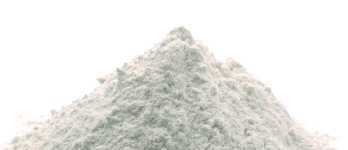
Urea is a chemical compound with the formula CO(NH2)2. It is one of the simplest and most widely used organic compounds in the world. Urea plays several important roles in various fields, including biology, chemistry, and agriculture. Here are some key aspects of urea:
Chemical Structure: Urea is an organic molecule composed of two amine groups (NH2) attached to a carbonyl group (C=O). Its structure makes it a diamide, and it is highly polar due to the presence of the amine groups.
Production: Urea is primarily synthesized through the reaction of ammonia (NH3) and carbon dioxide (CO2). This process is known as the Haber-Bosch process and is a crucial step in the production of synthetic fertilizers.
Fertilizer: One of the most common uses of urea is as a nitrogen fertilizer. It contains a high concentration of nitrogen, which is essential for plant growth. When applied to soil, urea undergoes hydrolysis to release ammonium ions, which plants can absorb and use as a source of nitrogen for protein synthesis and growth.
Industrial Applications: Urea has various industrial applications beyond fertilizers. It is used in the production of plastics, adhesives, and resins. It is also a key component in the manufacture of urea-formaldehyde and melamine-formaldehyde resins, which are used in the production of plywood, particleboard, and other wood products.
Biological Role: In biology, urea plays a critical role in the excretion of nitrogenous waste in mammals. The liver converts ammonia, a toxic byproduct of protein metabolism, into urea through a series of biochemical reactions in the urea cycle. Urea is then transported to the kidneys and excreted in urine.
Medical Use: Urea is sometimes used in topical creams and lotions for its moisturizing properties. It can help hydrate and soften dry skin by retaining moisture. Urea-containing creams are often used to treat conditions like eczema and psoriasis.
Laboratory and Analytical Chemistry: Urea is used in various laboratory applications, including as a denaturant in electrophoresis gels and as a component of buffers. It is also employed in protein and nucleic acid research, as it can be used to denature proteins and nucleic acids for analysis.
Deicing Agent: Urea has been used as a deicing agent for roads and runways. When mixed with salt, it can help lower the freezing point of ice, making it easier to remove from surfaces.
Safety Considerations: While urea itself is generally safe, its decomposition products can be toxic if ingested or inhaled in large quantities. Ammonia is one such product, so precautions are taken in the handling and storage of urea.